Sale!
BeginnerFloating

Giant Duckweed

Spirodela polyrhiza

Original price was: $10.99.Current price is: $9.99.

Portion Size (you'll receive at least)
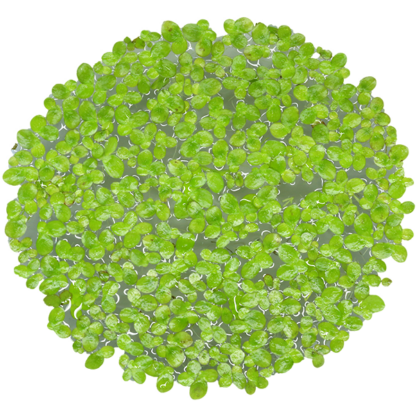
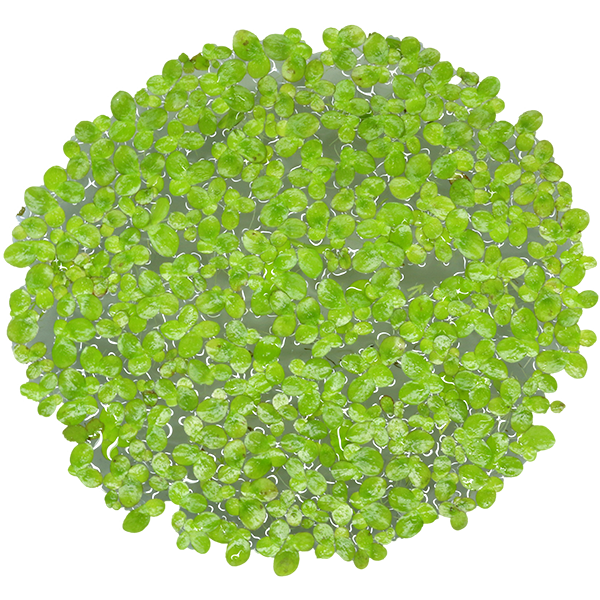
5in diameter (20in2) coverage
  • Prevent algae
  • Absorb excess nutrients
  • Shade your low-light plants
  • Create more grazing area

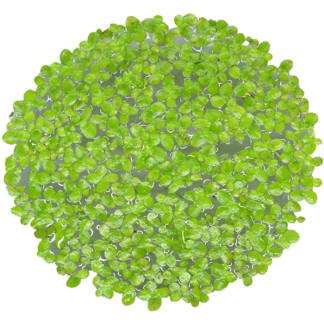
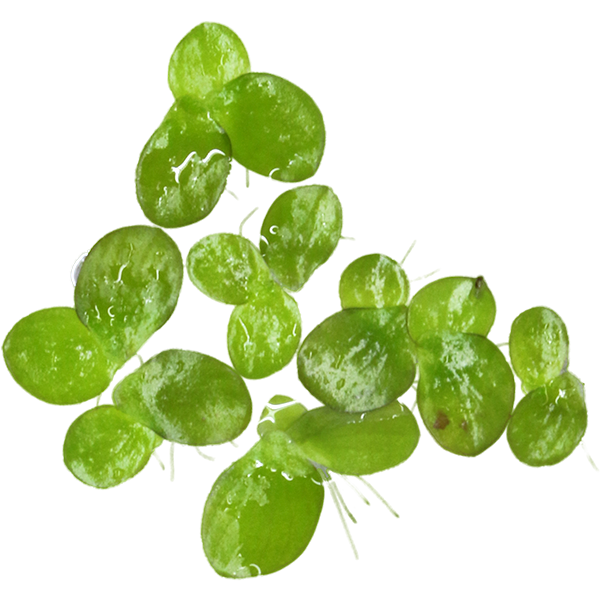
Giant duckweed is a fast-growing floating plant with rounded green fronds and distinctive reddish undersides. It provides reliable surface cover, valuable shade, and rapid nutrient uptake for freshwater aquariums.

Common Names
common duckmeat, greater duckweed, great duckmeat, common duckweed, duckmeat
Scientific Name
Spirodela polyrhiza

11 in stock. Ships from Richmond, BC.

Note: Pictures are for reference only, and may not look exactly the same.

Categories: ,

Description

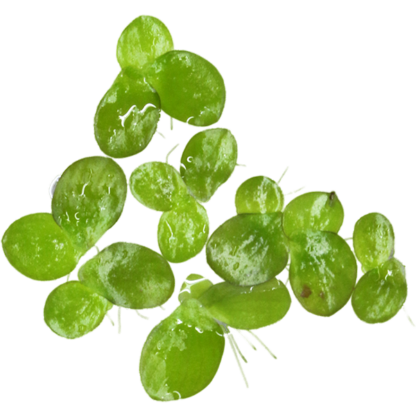
Spirodela polyrhiza, commonly called Giant duckweed, is a widely distributed floating aquatic plant. It features clustered, rounded leaves known as fronds. It grows slightly larger than standard duckweed and produces multiple trailing roots per frond. The top surfaces are bright green, while the undersides display attractive reddish-purple hues. Its fast reproduction provides rapid biological filtration and reliable surface cover.

Not to be confused with the common duckweed Lemna minor. This floater is larger in size. This one is much easier to manage and remove from your aquarium if necessary.

Care

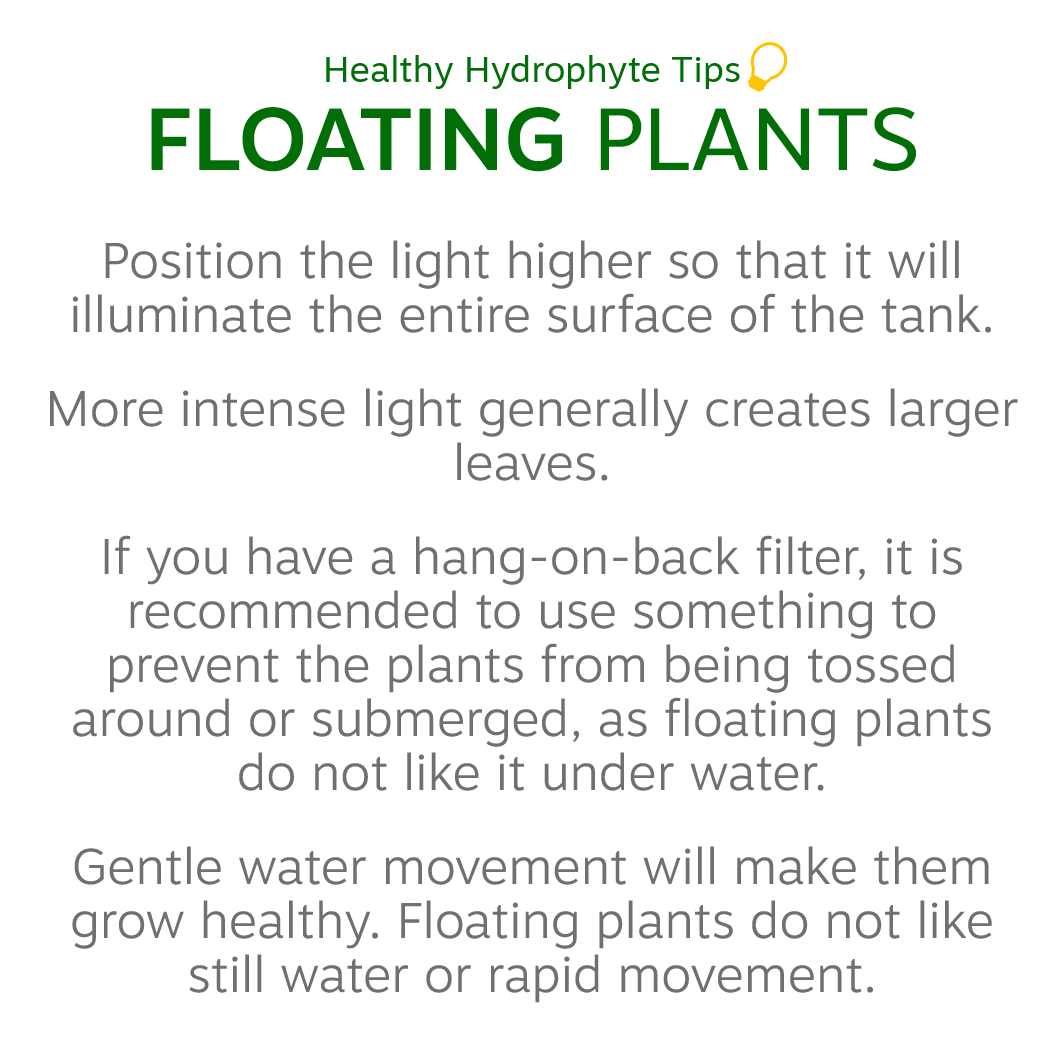
Maintain still to slow-moving surface water. High flow causes the fronds to tumble and rot. Giant duckweed adapts to most lighting conditions. Higher light encourages denser growth and deeper reddish hues underneath. It draws carbon dioxide directly from the room air. Injected CO2 is not necessary. It feeds heavily from the water column and efficiently removes excess nitrates and phosphates. Supply a comprehensive liquid fertilizer if the leaves become pale or if growth stalls.

Propagation

Giant duckweed naturally propagates through vegetative division. Adult fronds continually produce small buds that break off to form new, independent plants. Scoop a portion of healthy fronds from the surface and move them to a new container or aquarium to share or expand the plant.

Trimming

Remove excess growth regularly to manage light levels and export accumulated nutrients. Scoop out surplus fronds with a net during weekly water changes. Keep a portion of the water surface clear to ensure light reaches submerged plants and gas exchange remains efficient.

Appearance

  • Shape: floating
  • Size: small
  • Leaf Width: 0.6 cm
  • Leaf Length: 0.8 cm
  • Color: green tops with reddish-purple undersides

Notes, Tips, and Considerations

  • Giant duckweed forms a dense surface layer that dims the light reaching the substrate. This helps inhibit algae but requires low-light plants for the bottom of the tank.
  • Keep surface agitation low. Strong filter returns push the plants underwater and disrupt their growth.
  • The trailing root bundles provide excellent shelter for fish fry. They also offer grazing surfaces where shrimp can forage for biofilm.

Naturally Found

  • Regions
    • North America
    • South America
    • Europe
    • Asia
    • Africa
    • Australia
  • Environment
    • Habitat: lake, pond, marsh, wetland, swamp, river
    • Water Type: freshwater
    • Water Depth: 0.1 – 10 m
    • Water Flow: still, slow
    • Light: low, medium, high
    • Temperature: 10 – 30 °C
    • Humidity: medium, high
    • Substrate: floating

Closing

Giant duckweed is a highly adaptable floating plant. It provides immediate shelter and improves water quality through rapid nutrient uptake. Its trailing roots and colorful fronds bring a natural, shaded aesthetic to the aquarium.

Additional information

Structure

Floating