Description
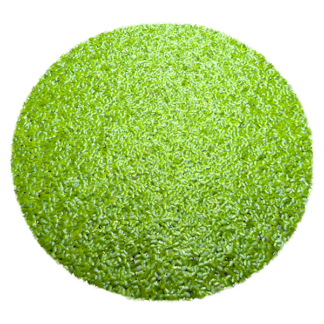
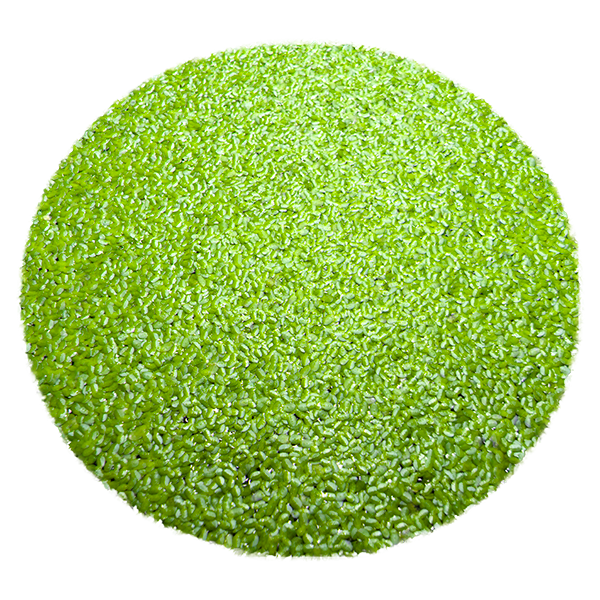
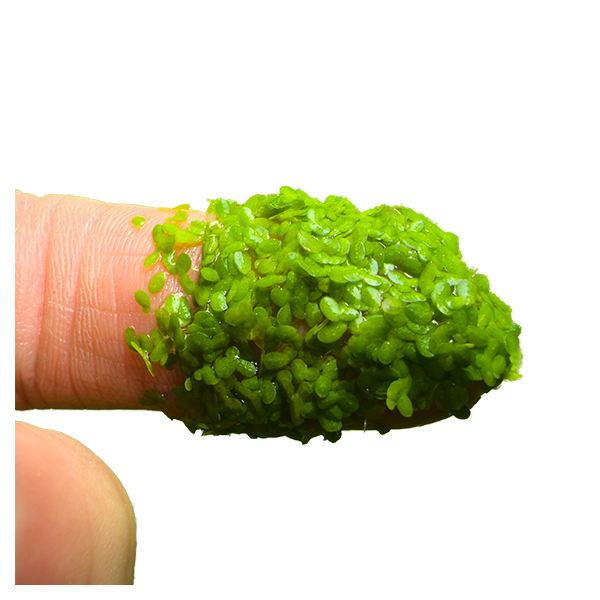
Lemna minor, widely known as Common Duckweed, is a familiar sight on still freshwater bodies around the globe. This tiny, free-floating plant consists of small, light-green, oval fronds, each with a single tiny root hanging below. It’s incredibly popular among aquarists for its rapid nutrient absorption, which helps maintain water quality and control algae. Additionally, its high protein content makes it a favorite snack for many fish, shrimp, and snails, adding a natural, self-replenishing food source to the aquarium ecosystem.
Care
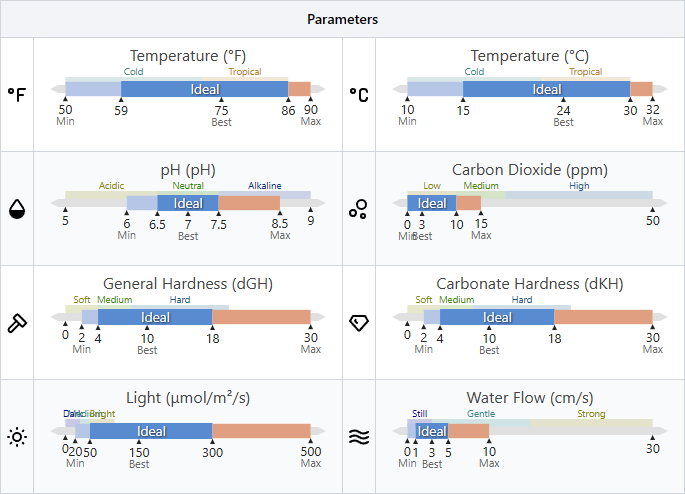
Duckweed is exceptionally easy to grow and demands almost no specific care, making it perfect for beginners. It thrives in a wide range of conditions, particularly in nutrient-rich water, and does not require special lighting, CO2 injection, or fertilizers. The primary maintenance task is regular harvesting. Due to its rapid growth, it’s important to periodically remove a portion of the plants to prevent them from completely covering the water surface, which can block light for plants below and reduce gas exchange. As with most floating plants, a key factor to its success is stable parameters and gentle water flow.
Propagation
Propagating Duckweed is effortless as it happens automatically and rapidly. The plant reproduces primarily through vegetative budding, where new fronds quickly emerge from pouches on the parent plant and separate to become new individuals. In any aquarium with adequate light and nutrients, a small starting portion of Duckweed will quickly multiply to cover the available surface area.
Trimming
Trimming or culling is straightforward. Simply use a small aquarium net to skim the excess plants off the water’s surface. Regular removal is recommended to maintain an open area for light penetration, gas exchange, and to prevent it from clogging filter intakes. Discarded plants should be disposed of in the trash, not in local waterways.
Appearance
- Shape: floating
- Size: small
- Leaf Width: 0.5 cm
- Leaf Length: 0.8 cm
- Color: Light Green
Notes, Tips, and Considerations
- This plant is a powerhouse of bioremediation, effectively removing excess nutrients like nitrates and phosphates from the water column.
- Its high protein content makes it a nutritious snack for many herbivorous and omnivorous fish, invertebrates, and waterfowl.
- While highly beneficial, its rapid growth can be a double-edged sword; it can be difficult to eradicate completely once established in an aquarium.
Origin
- Regions
- Africa
- Asia
- Australia
- Europe
- North America
- South America
- Central America
- Environment
- Habitat: pond, lake, river, swamp, marsh
- Water Type: freshwater
- Water Depth: 0 – 0.1 m
- Water Flow: still, slow
- Light: medium, high
- Temperature: 15 – 32 °C
- Humidity: high
- Substrate: floating, mud, sand
Closing
For a low-maintenance, highly functional floating plant that helps keep your water clean and your fish happy, Common Duckweed is an unbeatable choice. Add this tiny green powerhouse to your aquarium today and watch your aquatic ecosystem thrive!