

Vallisneria nana
Original price was: $12.99.$8.99Current price is: $8.99.
A grass-like aquatic plant with very narrow, ribbon-like leaves that grow in a rosette. It produces runners to form dense clusters and is commonly placed in the midground or background of freshwater aquariums.
- Common Names
- tape grass, eel grass, narrow-leaf eelgrass, dwarf vallis
- Scientific Name
- Vallisneria nana
14 in stock. Ships from Richmond, BC.
Note: Pictures are for reference only, and may not look exactly the same.
Description
Vallisneria nana is a fully aquatic freshwater plant native to Australia. It is identified by its dark green, extremely narrow leaves that emerge from a central crown. Although the name nana implies a dwarf size, the leaves can reach up to 70 centimeters in length when grown fully submerged in an aquarium environment. The plant possesses a steady growth habit and spreads across the substrate by producing lateral runners, naturally forming thick, grass-like stands over time.
Care
Vallisneria nana requires placement in a nutrient-rich or supplemented substrate. The central crown must remain above the soil line to prevent rotting. The plant adapts to a wide range of temperatures, pH levels, and water hardness. Growth behavior responds directly to light exposure. High lighting encourages faster runner production and more compact leaves, whereas low light results in longer, thinner growth. Supplemental root tabs or a soil substrate support root development. Moderate water flow helps keep the narrow leaves clear of detritus.
Propagation
This species propagates vegetatively by sending out lateral runners along the substrate. Small plantlets develop at the nodes of these runners. Once a plantlet forms its own root system and several leaves, the connecting runner can be severed. The independent plantlet can then be uprooted and relocated to a new area of the aquarium.
Trimming
Spread is managed by cutting runners before plantlets root in unintended areas. To reduce height or remove damaged growth, individual leaves are cut cleanly near the base using sharp scissors. Cutting leaves across the middle is avoided, as the remaining upper portion typically decays.
Appearance
- Shape: rosette
- Size: large
- Can Grow To: 70 cm tall
- Color: green
Notes, Tips, and Considerations
-
Burying the crown often leads to plant death; the roots must be covered while the base of the leaves remains exposed.
-
Leaves that are cut across the middle may decay from the cut edge downward.
-
Native to Northern Australia, this plant inhabits rivers, streams, lakes, and swamps, growing in both still environments and moderate currents.
Naturally Found
- Regions
- Australia
- Directions: North
- Countries: Australia
- Australia
- Environment
- Habitat: river, lake, pond, swamp
- Water Type: freshwater, brackish
- Water Depth: 0.1 – 5 m
- Water Flow: still, slow, moderate, fast
- Light: medium, high
- Temperature: 15 – 30 °C
- Humidity: high
- Substrate: gravel, sand, soil, mud
Related products
-
Sale!
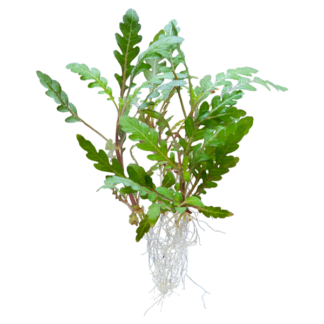 IntermediateForegroundMidground
Hygrophila pinnatifida
Original price was: $12.99.$8.99Current price is: $8.99. Add to cart -
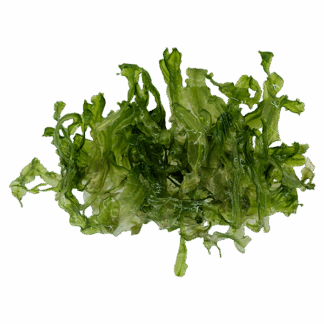 BeginnerForegroundCarpeting
Monosolenium tenerum
$12.99 Details -
Sale!
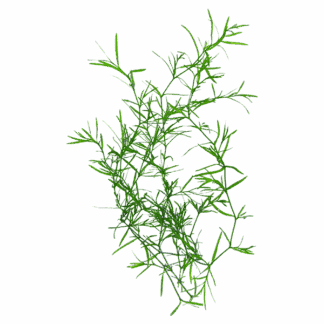 BeginnerMidgroundBackgroundSuspended
Guppy Grass
Najas guadalupensisOriginal price was: $12.99.$4.99Current price is: $4.99. Add to cart
